
Improving Indoor Air Quality for Tigard
When it comes to improving indoor air quality for your home or business, you can count on Specialty Heating & Cooling LLC to provide the best indoor air quality products and services for Tigard, OR. We opened our doors in 1985, and for over three decades we’ve proudly served Tigard with the highest standards of customer service, earning recognition from the BBB and Angie’s list for our efforts.
Indoor air quality services we offer:
- Duct cleaning
- Aeroseal duct sealing
- Advanced filtration
- Air purification
- Carbon Monoxide alarms
- Ventilation and filtration services
If you’re interested in improving the air in your living spaces, we have the products and services to help you make your air cleaner and more breathable, so you can enjoy a safe and healthy work and home environment.
Indoor Air Quality and Your Health
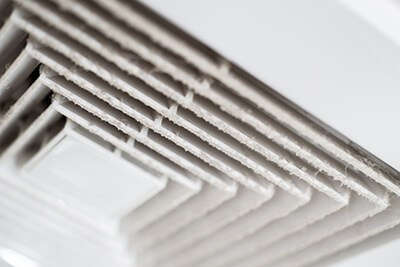
You Can Improve Your Indoor Air Quality By:
- Removing Contaminants and Pollutants
- Ordering Professional Duct Cleaning
- Having Aeroseal Duct Sealing Performed
- Installing Carbon Monoxide Alarms
- Regularly Changing Air Filters
- Improving Humidity Control
- Installing Air Purification Systems
High-Quality Tigard Indoor Air Quality Services
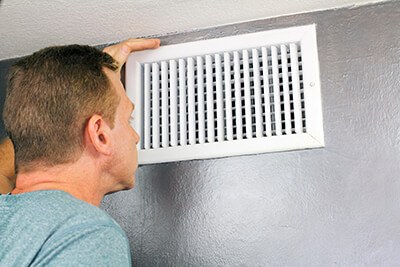 Specialty Heating & Cooling LLC offer a wide variety of products and services to help improve the air you breathe. One of our most highly requested services is our duct sealing with Aeroseal, which is a patented solution that repairs leaks in your ducts and prevents leaks from releasing mold, dust, and other pollutants into your air supply as it travels through your ducts. We also offer carbon monoxide alarms, duct cleaning services, filtration systems, and even air purification systems like the Air Scrubber, to clean and purify the air in your home or business with germicidal UV light waves. If you’re curious about how you can improve the air quality in your living spaces, Specialty Heating & Cooling LLC is ready to answer all of your questions!
Specialty Heating & Cooling LLC also offers indoor air quality solutions in:
For over three decades, Specialty Heating & Cooling LLC has been proudly serving Tigard with the best in comfort services. If you’d like more information on our IAQ services or any of our other highly regarded heating and cooling services, please don’t hesitate to contact us!